


 ₹https://hair-skin-clinic.vcaretrichology.com/vcare-trichology/clinic-in-pudukkottai/clinic-in-north-main-street/vcare-hair-and-skin-clinic-in-north-main-street-pudukkottai--52ZGC1/articles/advanced-hair-fall-treatment-in-north-main-street---ab9f9432-e8d5-4ba2-ac3d-8362304653a3
VCare Hair And Skin Clinic, North Main Street, pudukkottai
Hair & Skin Clinic in North Main Street, Pudukkottai, Tamil Nadu
No 2370/1/2/3/4, First And Second Floor, North Main Street, pudukkottai, tamil nadu - 622001
Request A Call Back
VCare Hair And Skin Clinic Social Feeds in North Main Street, pudukkottai
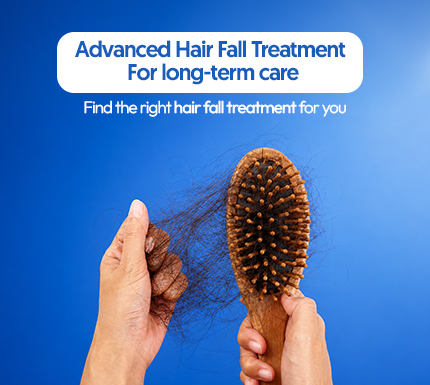
Advanced Hair Fall Treatment in North Main Street, pudukkottai: Why Treating the Root Cause Matters More Than Temporary Fixes
Losing a few strands of hair every day is completely normal. However, when you begin noticing excessive hair on your pillow, in the shower drain, or while brushing, it's often a sign that something deeper is affecting your scalp or hair follicles.
Many people in North Main Street, pudukkottai respond to hair fall by switching shampoos, trying home remedies, or buying hair oils that promise miraculous results. While these products may improve the appearance of your hair temporarily, they rarely address the underlying cause of hair loss.
Effective Hair Fall Treatment starts with understanding why you're losing hair in the first place. Whether the cause is genetics, hormonal changes, nutritional deficiencies, stress, or scalp disorders, treating the root cause of hair fall offers a better chance of slowing hair fall and supporting healthier hair growth.
This guide explains why identifying the cause of hair fall matters, explores common treatment options, and discusses how personalised care can help achieve long-term results.
Understanding Hair Fall
Hair naturally grows in cycles consisting of three phases:
Anagen (Growth Phase): Hair actively grows for several years.
Catagen (Transition Phase): Hair growth slows as the follicle prepares for shedding.
Telogen (Resting Phase): Older hair sheds, making room for new strands.
Typically, losing around 50 to 100 hairs a day is considered normal. Problems arise when hair shedding increases significantly or when new hair fails to replace the lost strands.
Why Temporary Fixes Often Don't Work
When people notice hair fall, they often try solutions such as:
Changing shampoos frequently
Applying hair oils daily
Using DIY hair masks
Taking supplements without medical advice
Following social media hair hacks
While these approaches may temporarily improve hair texture or scalp hydration, they usually don't treat the underlying reason for hair loss.
For example:
Iron deficiency cannot be corrected by changing shampoos.
Hormonal hair loss won't stop with homemade remedies.
Genetic hair thinning requires targeted treatment.
Scalp infections need proper diagnosis and medical care.
Without identifying the root cause, hair fall often continues despite using multiple products.
Common Causes of Hair Fall
Hair loss is rarely caused by just one factor. Several internal and external factors can contribute.
1. Genetic Hair Loss
Also known as pattern baldness, this is one of the most common causes of progressive hair thinning in both men and women.
Signs include:
Receding hairline
Widening hair part
Gradual thinning on the crown
Reduced hair density
2. Hormonal Changes
Hormonal fluctuations can affect the hair growth cycle.
Common triggers include:
PCOS
Thyroid disorders
Pregnancy
Menopause
Hormonal imbalance
3. Nutritional Deficiencies
Healthy hair depends on proper nutrition.
Deficiencies in the following nutrients may contribute to excessive hair fall:
Iron
Vitamin D
Vitamin B12
Zinc
Protein
Biotin
4. Stress
Physical and emotional stress can push more hair follicles into the shedding phase.
Common stress-related triggers include:
Illness
Surgery
Emotional trauma
Lack of sleep
Work-related stress
5. Scalp Conditions
Healthy hair starts with a healthy scalp.
Conditions such as:
Dandruff
Seborrheic dermatitis
Fungal infections
Psoriasis
can interfere with normal hair growth.
6. Lifestyle Factors
Daily habits also influence hair health.
Risk factors include:
Smoking
Poor diet
Pollution
Heat styling
Chemical treatments
Tight hairstyles
Signs You Shouldn't Ignore
Hair fall is easier to manage when treated early.
Consult a specialist if you notice:
Hair shedding for more than three months
Visible scalp
Receding hairline
Widening hair partition
Sudden bald patches
Hair becoming noticeably thinner
Persistent scalp itching or inflammation
Early diagnosis can help preserve existing hair and improve treatment outcomes.
How Specialists Diagnose Hair Fall
Effective hair fall treatment begins with a thorough evaluation.
A specialist may assess:
Medical history
Family history of hair loss
Lifestyle habits
Diet and nutrition
Scalp condition
Hair density
Hair growth pattern
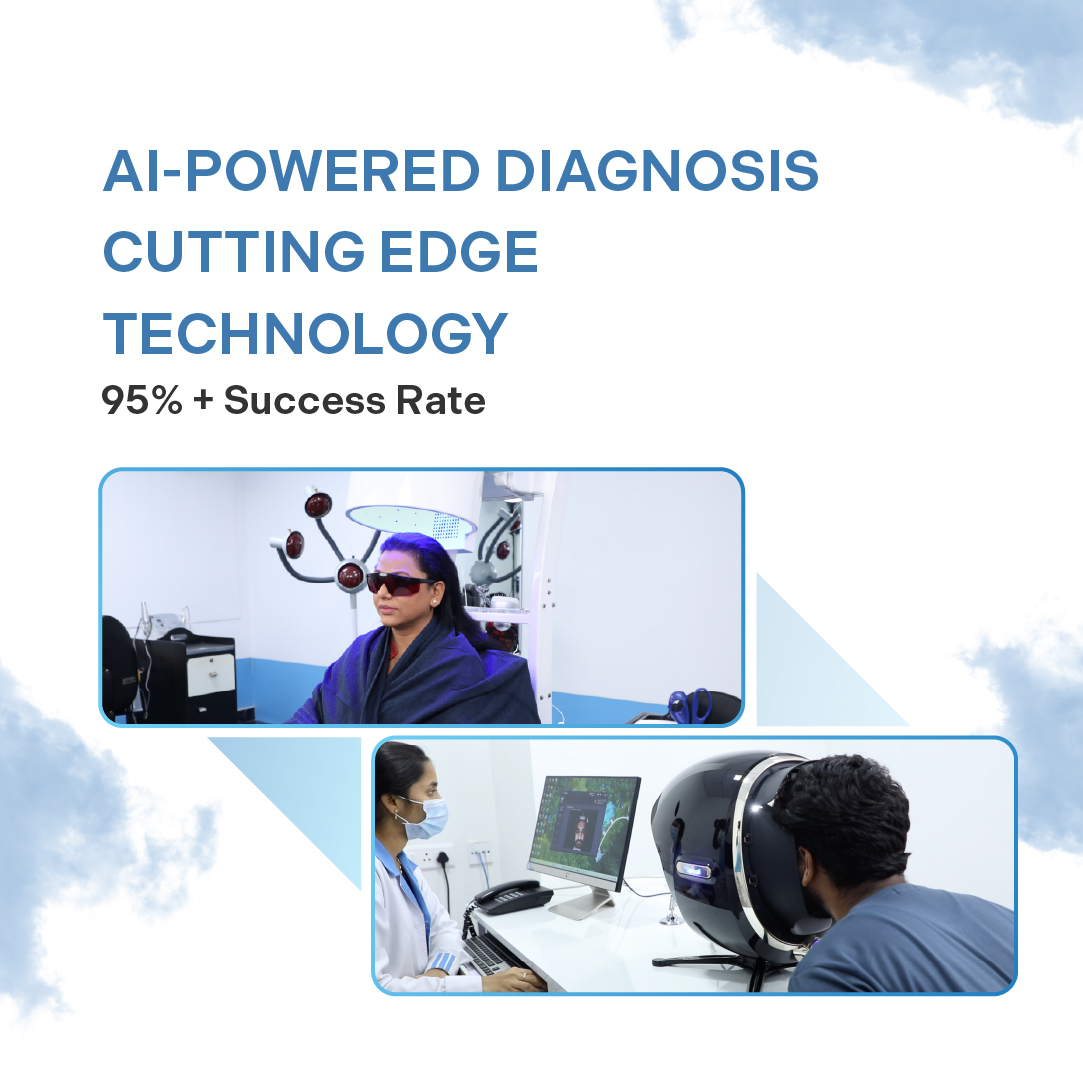
In some cases, blood tests or scalp analysis may be recommended to identify underlying health concerns contributing to hair loss.
Advanced Hair Fall Treatment Options
Modern hair restoration focuses on personalised care rather than one-size-fits-all solutions.
Depending on the diagnosis, treatment may include one or more of the following approaches.
1. Medical Management
Prescription medications may be recommended to reduce hair shedding or stimulate hair growth when clinically appropriate.
Treatment plans vary depending on the underlying cause and should always be supervised by a qualified medical professional.
2. Growth Factor Therapy
Growth factor-based treatments use naturally occurring proteins to support healthier hair follicles and encourage improved hair growth.
These procedures are commonly recommended for individuals experiencing early to moderate hair thinning.
3. Scalp Therapy
A healthy scalp provides the foundation for healthy hair.
Professional scalp treatments may help:
Remove buildup
Improve scalp health
Reduce inflammation
Support better follicle function
4. Low-Level Laser Therapy (LLLT)
Low-level laser technology is used in some cases to stimulate hair follicles and improve hair density as part of a comprehensive treatment plan.
5. Nutritional Support
When nutritional deficiencies contribute to hair loss, dietary modifications and medically guided supplementation can support healthier hair growth.
6. Hair Restoration Procedures
For advanced hair loss where follicles are permanently damaged, hair restoration procedures may be considered based on individual suitability.
Why Personalised Hair Fall Treatment Delivers Better Results
No two people lose hair for exactly the same reason.
A treatment that works for one individual may not work for another.
Personalised treatment considers:
Age
Hair loss pattern
Medical history
Scalp condition
Lifestyle
Hair density
Treatment goals
This comprehensive approach often leads to better long-term outcomes than relying solely on over-the-counter products.
Can Hair Fall Be Prevented?
Not every type of hair loss can be prevented, especially when genetics play a role.
However, healthy habits can reduce avoidable hair fall.
These include:
Eating a balanced diet
Managing stress
Sleeping adequately
Avoiding excessive heat styling
Protecting hair from harsh chemicals
Treating scalp conditions early
Scheduling regular scalp evaluations if hair fall persists
Myths About Hair Fall Treatment
Myth 1: Hair oil alone can stop hair fall.
Reality: Hair oil may nourish the scalp, but it cannot treat hormonal, genetic, or nutritional causes of hair loss.
Myth 2: Wearing hats causes baldness.
Reality: Hats do not cause hair loss unless they create excessive friction or poor scalp hygiene.
Myth 3: Hair loss only affects older adults.
Reality: Hair thinning can begin in the twenties or even earlier depending on genetics and lifestyle factors.
Myth 4: Cutting your hair makes it grow faster.
Reality: Haircuts improve appearance but do not change hair follicle activity.
Why Early Treatment Makes a Difference
Hair follicles become more difficult to restore once they remain inactive for extended periods.
Seeking professional guidance early offers several benefits:
Better preservation of existing hair
Slower progression of hair loss
Improved treatment response
Reduced need for invasive procedures later
Early intervention is often the key to achieving more satisfying long-term results.
How VCare Helps Address Hair Fall
At VCare, hair fall treatment begins with understanding the individual rather than simply treating the symptom. Experienced specialists conduct a detailed hair and scalp assessment to identify the possible causes of hair loss before recommending a customised treatment plan.
Depending on the diagnosis, treatment options may include advanced therapies, scalp care solutions, nutritional guidance, and medically supervised hair restoration approaches. By focusing on the root cause of hair fall, VCare aims to improve scalp health, reduce ongoing hair fall, and support healthier hair growth over time.
Final Thoughts
Hair fall can be frustrating, but relying on temporary fixes often delays meaningful improvement. The most effective hair fall treatment starts with identifying the underlying cause rather than simply masking the symptoms.
If you're experiencing persistent hair thinning or excessive shedding in North Main Street, pudukkottai, whether it's related to genetics, hormones, nutrition, stress, or scalp health, early diagnosis and personalised treatment can help slow progression and improve hair quality. Consulting a qualified hair specialist is the first step toward protecting your existing hair and supporting long-term hair health.
Instead of chasing quick fixes, focus on solutions that address the root cause—because healthier hair begins with the right diagnosis.
Frequently Asked Questions
1. What is the best hair fall treatment?
The best hair fall treatment depends on the underlying cause. A professional evaluation helps determine the most suitable approach.
2. Can hair fall be reversed?
Some types of hair fall can be reduced or reversed with timely diagnosis and appropriate treatment, while others can be effectively managed to slow progression.
3. How long does hair fall treatment take to show results?
Hair growth occurs gradually. Depending on the treatment plan and individual condition, noticeable improvements may take several months.
4. Should I see a specialist if my hair fall has increased recently?
Yes. Persistent or sudden hair fall should be evaluated to identify possible medical, hormonal, nutritional, or scalp-related causes.
5. Are shampoos enough to stop hair fall?
No. While shampoos can improve scalp hygiene and hair appearance, they generally cannot treat the underlying causes of excessive hair loss.